READING
IT’S TIME TO DO SOME
Protecting coral reefs is ultimately about protecting people’s jobs, food security, and safety, not just about saving pretty fish. Healthy reefs behave like productive infrastructure in the ocean, underpinning commercial activity and community resilience on a massive scale.
Why Should We Protect Coral Reefs?


REEFS AS ECONOMIC INFRASTRUCTURE
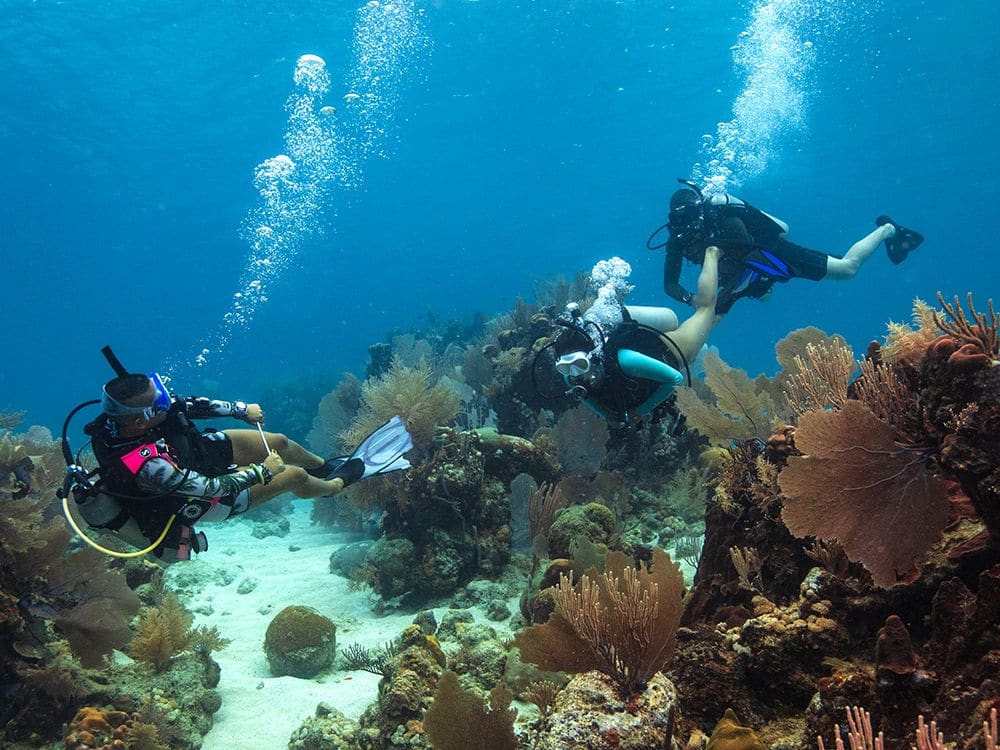
Coral reefs function much like ports or highways for coastal economies: invisible in GDP tables, but critical to how money flows through communities. Globally, the goods and services reefs provide have been valued at up to 9.9 trillion USD per year, once you account for food, tourism, coastal protection, and other benefits.
Around one billion people live in coastal regions near coral reefs, with many directly dependent on reef-based fisheries, tourism, and marine industries for their livelihoods.
In Southeast Asia alone, each square kilometer of healthy coral reef can generate sustainable economic net benefits ranging from about 23,100 to 270,000 USD per year through fisheries, shoreline protection, and tourism.
When reefs degrade, these benefits don’t just vanish in ecological reports; they disappear from household incomes and local business balance sheets.
JOBS, INCOMES, AND THE BLUE ECONOMY
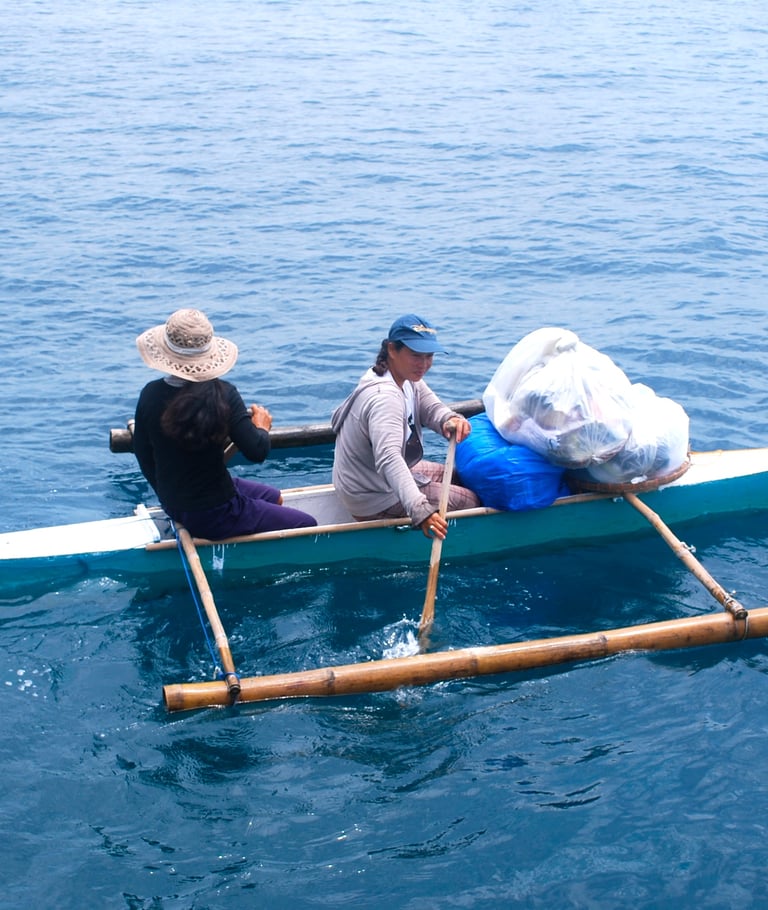
For coastal communities, reef conservation is a question of whether tomorrow’s work still exists. Reef-based tourism and fisheries together support millions of jobs worldwide.
Tourism linked to coral reefs generates an estimated 36 billion USD annually and supports over 70 million trips each year, driving demand for hotels, restaurants, boat operators, dive shops, transport, and suppliers.
Reef fisheries are worth about 6.8 billion USD per year globally and provide income and employment across developing coastal regions, often acting as a safety net when other sectors fail.
In places like the Great Barrier Reef, the reef system underpins tens of thousands of jobs and tens of billions of dollars in economic value; similar dynamics play out across the Coral Triangle, Caribbean, and small island states where reef health tracks directly with employment levels.
FOOD SECURITY AND EVERYDAY SURVIVAL
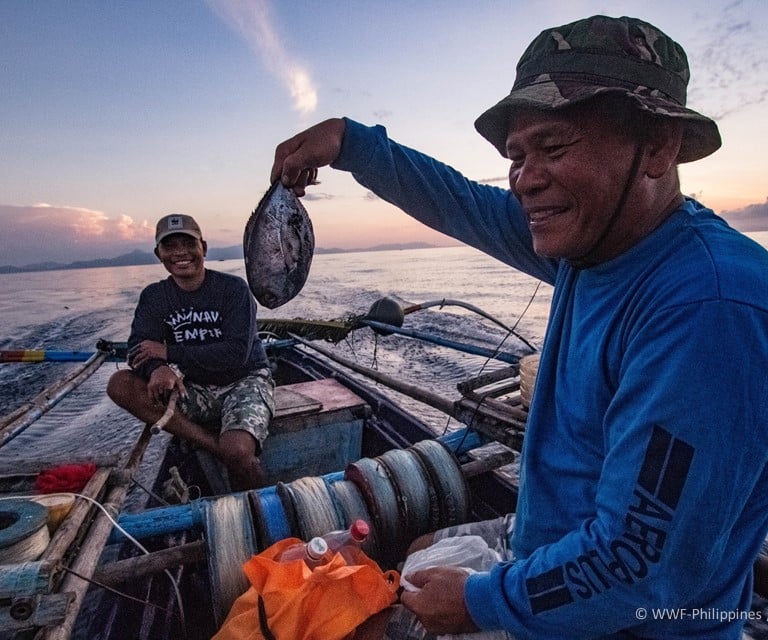
For many families, protecting reefs is the difference between secure nutrition and chronic vulnerability. Coral reef ecosystems are tightly linked to food security, particularly across the Coral Triangle and other tropical coastal regions.
Globally, an estimated 500 million people depend directly on reef fisheries for food and income, with hundreds of millions more benefiting indirectly through the wider seafood economy.
In tropical coastal regions, reef-associated fisheries can supply more than half of the animal protein consumed, especially in small island states where alternatives are limited.
As reefs decline, catch sizes fall, purchasing power drops, and households are forced either into deeper poverty or into more destructive fishing practices just to stay afloat, creating a vicious cycle of ecological and economic collapse.
COASTAL PROTECTION & RISK MANAGEMENT
Reefs quietly perform a high-value risk management function that would be extremely expensive to replace with hard infrastructure. They act like submerged breakwaters, cutting wave energy and reducing damage to coastal assets.
Coral reefs can reduce up to 97% of wave energy hitting the shore, protecting homes, roads, ports, and tourism facilities from storm surge and erosion.
Approximately 200 million people are estimated to depend on coral reefs specifically for protection against storm surges and waves, with economic losses projected to rise sharply as reefs decline.
Losing reefs forces governments and businesses into costlier sea wall projects, higher insurance premiums, and more frequent disaster recovery spending—diverting capital away from productive enterprise.
WHY COMMERCIALLY MINDED CONSERVATION IS RATIONAL
When you view reefs through a commercial lens, conservation stops being a “nice-to-have” and becomes asset management. Coral reefs are productive, cash‑generating natural capital; degrading them is equivalent to liquidating a profitable business for a one‑off payout.
In the Philippines, the potential sustainable net benefits from coral reefs have been estimated at around 1.1 billion USD per year, with each square kilometer of reef generating hundreds of thousands of dollars annually when managed well.
Projects that couple reef rehabilitation with livelihood diversification—such as community-based coral farming or sustainable tourism enterprises—have demonstrated that investments in reef health can simultaneously raise household incomes and reduce poverty in coastal communities.
In practical terms, protecting reefs is about securing long-term cash flows for fishers, boat operators, dive centers, hoteliers, and the informal workers who orbit those sectors—from market vendors to freelance guides. For any businessperson or policymaker, the case for reef conservation is straightforward: it is a hedge against future shocks, a driver of local growth, and a cornerstone of a resilient blue economy.
If you like, the next step can be to tailor this narrative to your Reef Buddy Philippines programs and Dauin context, weaving in specific local data and a clear call-to-action for volunteers, partners, and paying divers.
WHY WE SHOULD PROTECT CORAL REEFS
Protecting coral reefs is ultimately about protecting people’s jobs, food security, and safety, not just about saving pretty fish.
SUBSCRIBE
Subscribe to be updated about latest news and blog posts and to follow what is happening in a magical land of Bali.
Phone/WhatsApp
+63 917-779-8761
Info@reefbuddyphilippines.org