Why fast‑growing Acropora is the scaffolding that keeps tourism and fisheries alive
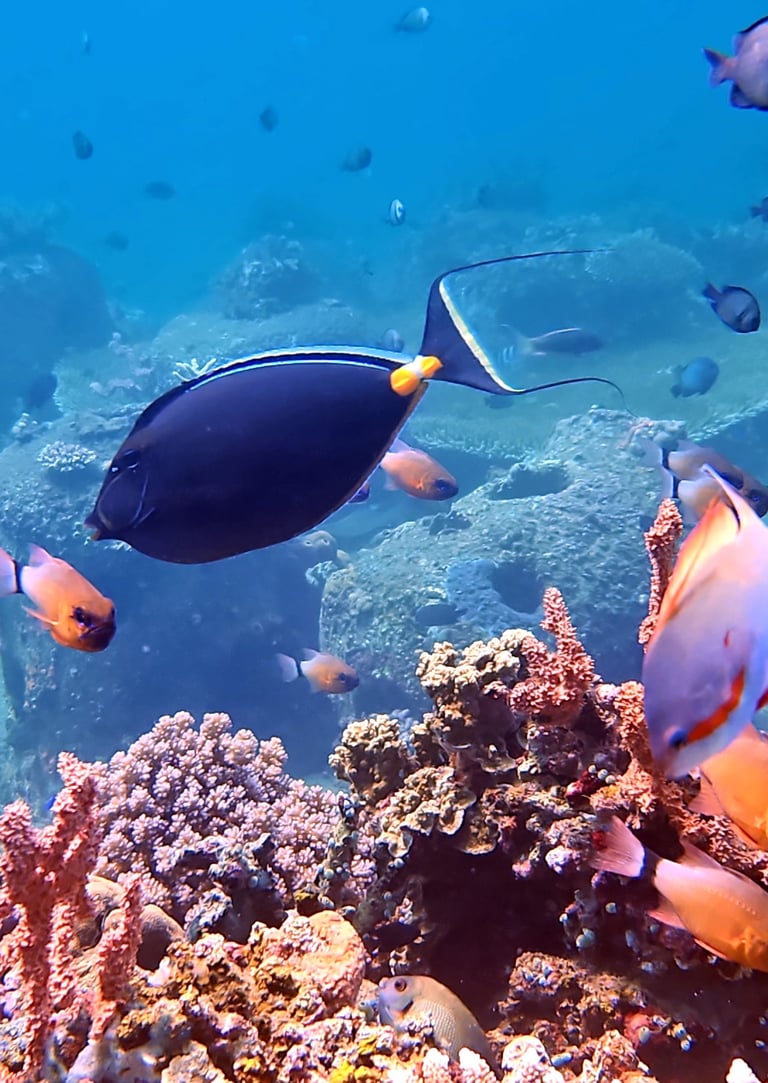
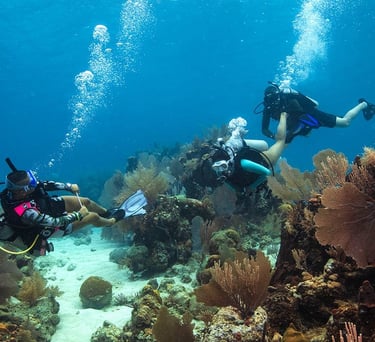
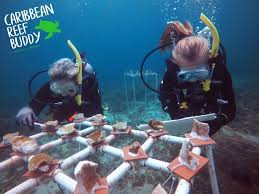
Fast‑growing Acropora corals are the scaffolding that holds up both the reef and the local economy, quietly supporting tourism, fisheries, and coastal protection every day. When we restore Acropora, we’re not just growing coral; we’re rebuilding the underwater infrastructure that keeps people in business
FROM REEF SKELETON TO REVENUE STREAM
Acropora is the high-speed construction crew of the reef world. Its branching and table‑forming species stack up three‑dimensional structure far faster than most other corals, turning bare rock into living architecture in just a few years rather than decades.
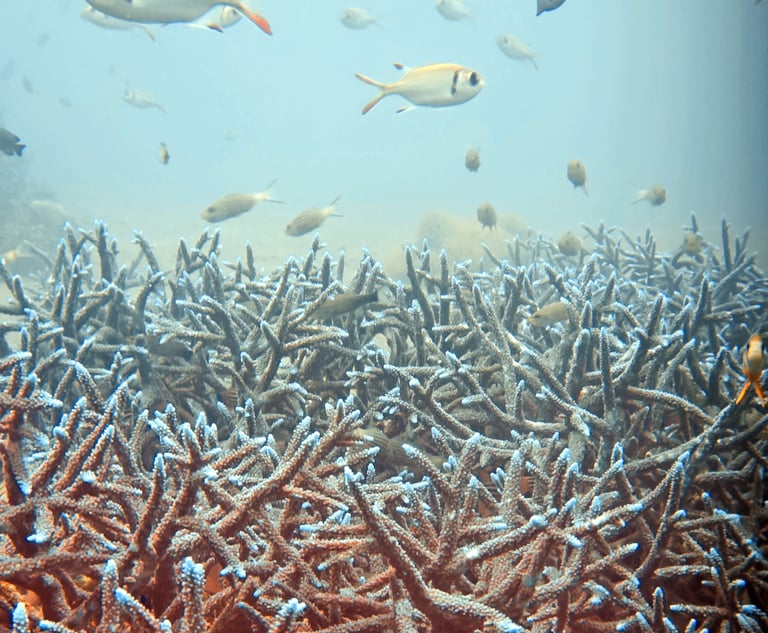
That structure is what creates “fish cities” – the nooks and crannies that shelter juveniles and attract predators, driving the biomass that fishers and seafood markets rely on.
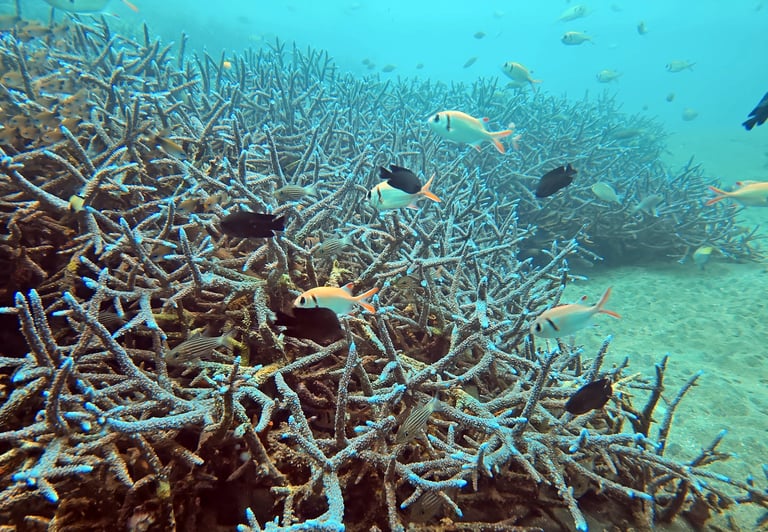
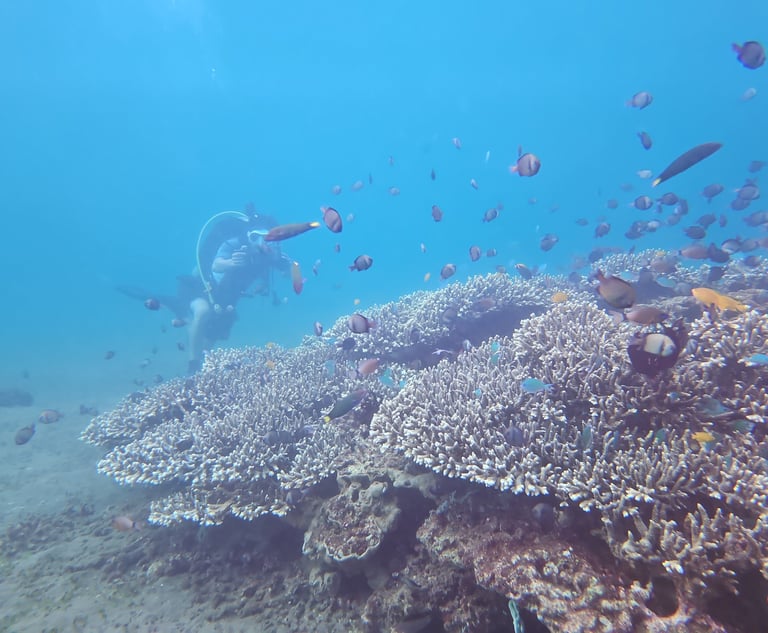
The same complexity is what makes a dive site feel alive: schooling fish, hunting jacks, clouds of damsels around staghorn stands – exactly the kind of scenes that sell dive packages and fill boats.
Seen this way, Acropora isn’t a “nice-to-have” species group; it’s the core asset that underpins the earning power of reefs.
WHY TOURISM DEPENDS ON AKRAPORA SCAFFOLDING
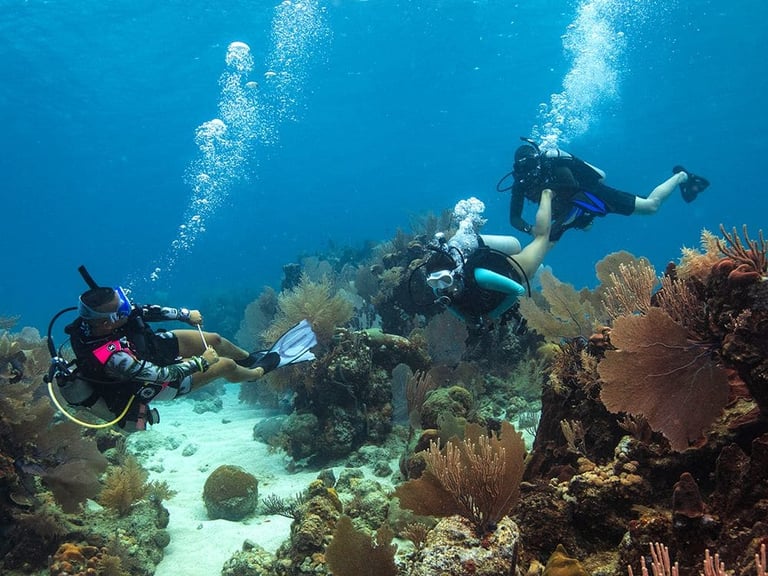
For a paying diver, the decision to book Dauin over another destination often comes down to underwater experience: colour, life, and structure. Fast‑growing Acropora delivers all three, fast.
Branching and table colonies create dramatic seascapes that look great in photos and videos, powering the social-media loop that brings in the next wave of guests.
Dense Acropora thickets pull in turtles, schooling fish, and macro life around their bases, so a single restored patch can become a “must‑dive” site in a short timeframe.
For Reef Buddy Philippines and The Dive Hub, that means every nursery‑raised Acropora fragment you outplant is future content, future word‑of‑mouth, and future bookings.
WHY FISHERIES LEAN ON ACROPORA
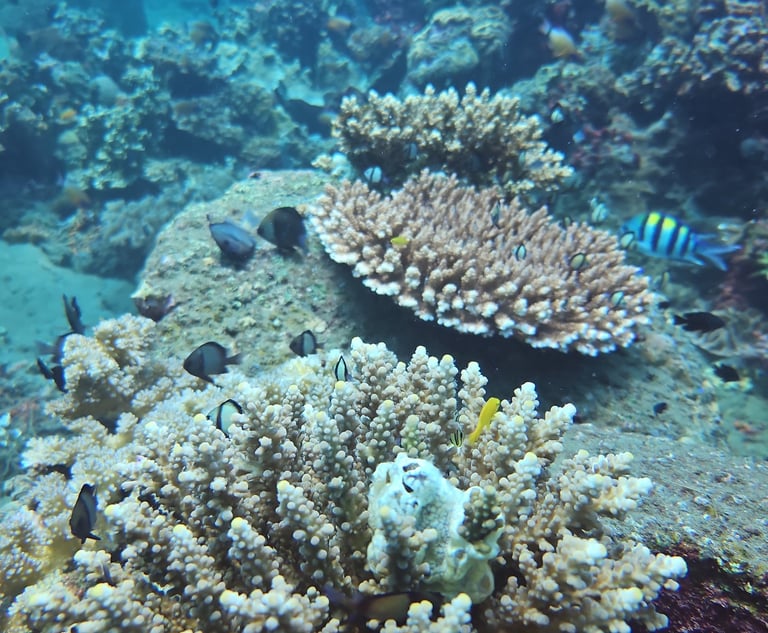
On the fisheries side, Acropora scaffolding works like a natural hatchery and housing estate rolled into one. Juvenile fish use its branches as shelter from predators, and many species feed on the invertebrates and algae growing between the coral tips.
More structure means more safe space per square metre, which means more juveniles surviving to adulthood – and ultimately more fish in nets and on plates.
When Acropora dies back and reefs flatten, those micro‑habitats vanish; catches drop, and fishers are pushed either offshore (higher costs, more risk) or into more destructive practices to maintain income.
So when you grow Acropora in nurseries, you’re effectively investing in future catch – a living, regenerating stock‑enhancement tool that doesn’t require fuel, feed, or constant subsidies.
LINKING THE TWO ARTICLES: PEOPLE NOT JUST POLYPS
Our first blog made the case that protecting reefs is really about protecting people’s livelihoods. Your second went into why Acropora is the fast‑growing architect of reef structure. This follow‑up ties those threads together: Acropora is the piece that turns “reef health” into something you can see on a balance sheet.
For tourism, Acropora is the scaffolding that supports the experiences you sell – from volunteer weeks with Reef Buddy Philippines to fun dives with The Dive Hub.
For fisheries, it’s the scaffolding that supports recruitment, biomass, and long‑term catch – the difference between a reef that feeds a community and one that just looks good in a brochure.
Put bluntly: if you strip Acropora out of Dauin’s shallow reefs, you strip value out of the local economy.
A CALL TO COMMERCIALLY MINDED CONSERVATIONISTS IN DAUIN
If we accept that reefs must pay their way to survive in a crowded world, then Acropora nurseries are one of the smartest investments a coastal community can make. They convert a relatively small amount of labour, rope, and hardware into long‑term returns for dive operators, resorts, boat crews, fishers, and market vendors.
FAST GROWING ACROPORA IS THE SCOFFOLDING THAT KEEPS TOURISM & FISHERIES ALIVE
Fast‑growing Acropora corals are the scaffolding that holds up both the reef and the local economy, quietly supporting tourism, fisheries, and coastal protection every day. When we restore Acropora, we’re not just growing coral; we’re rebuilding the underwater infrastructure that keeps people in business
Phone/WhatsApp
+63 917-779-8761
Info@reefbuddyphilippines.org